Songwriter
Test whether a chorus reads differently with a soft voice or a more assertive one.
Keep the lyric and arrangement under review while comparing vocal direction for ai songs.
free ai music generator with vocalsVoice Meets Music
An ai generated singer and song combines a vocal identity with a musical idea. Aisongs helps you plan the two together, then consider how the result might serve a video or other creative project.
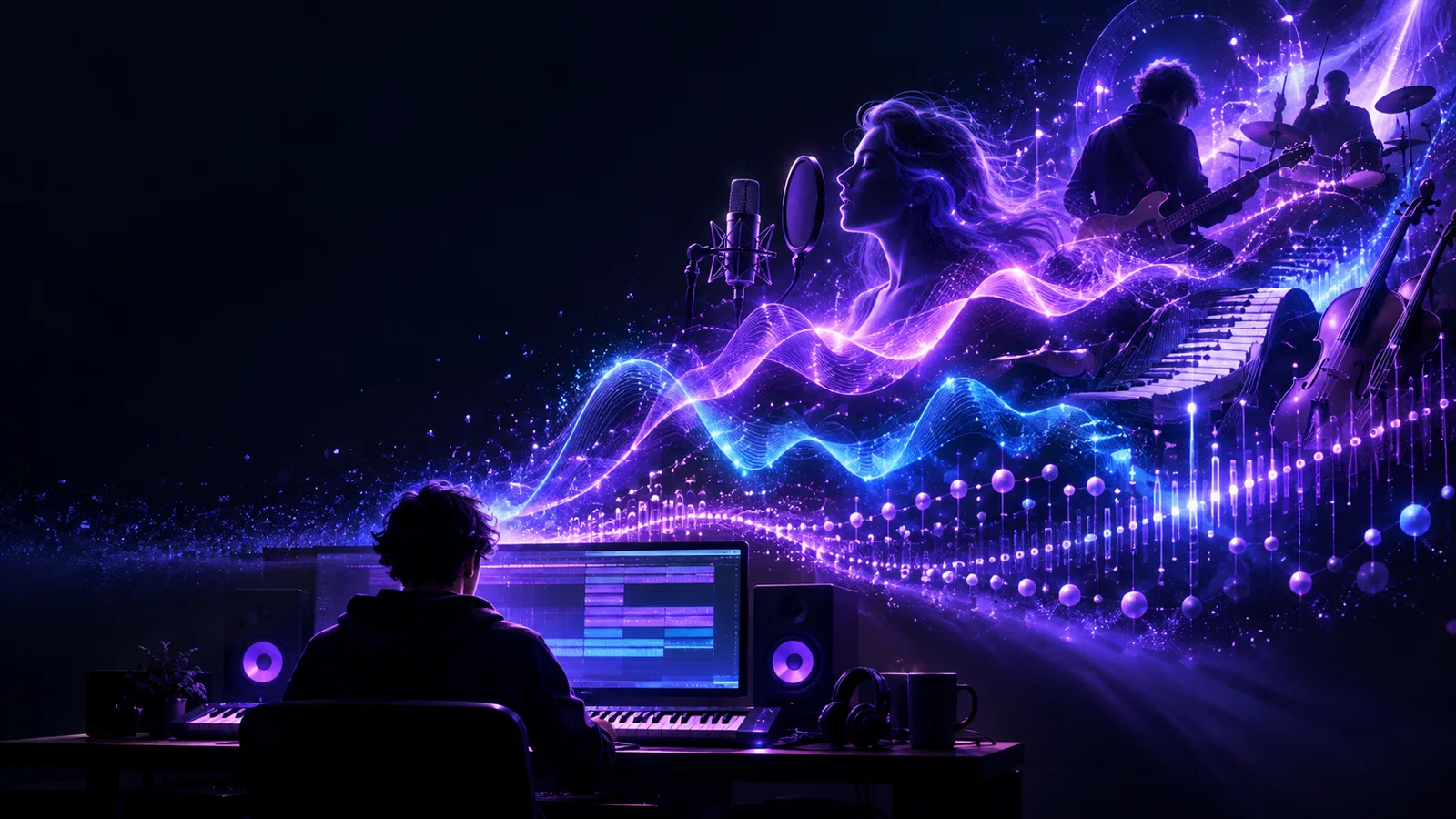
Think of the singer and arrangement as parts of the same brief, rather than choosing a voice only after the music is finished.
A useful brief separates the musical foundation, the vocal delivery, and the way they meet. That makes ai songs easier to assess than a vague request for a finished hit.
Specify tempo feel, instruments, energy, and structure. A sparse verse and fuller chorus give the singer room to change intensity without demanding a particular artist's sound.
Choose qualities such as range, texture, diction, and emotional delivery. Describe an original character rather than naming a real performer whose identity or voice you want copied.
Listen for phrasing against the beat, intelligible words, and a consistent vocal character. In ai songs, a strong instrumental does not automatically mean the vocal performance works.
Use this checklist when reviewing an ai generated singer and song. It distinguishes what you can request from what you still need to verify by listening.
Vocal identity
Write in the brief
An original low, airy, or bright vocal character
Check in the result
A recognizable character that remains consistent
Song structure
Write in the brief
An opening, verse, chorus, and ending
Check in the result
Transitions that support the intended length
Lyrics
Write in the brief
A topic, perspective, and phrases to avoid
Check in the result
Words that are clear and fit the melody
Arrangement
Write in the brief
Instrument choices and changes in energy
Check in the result
Space for the vocal rather than a crowded mix
Delivery
Write in the brief
Conversational, intimate, or anthemic phrasing
Check in the result
Emphasis and timing that suit the words
Intended use
Write in the brief
Where the track may appear and how it will be edited
Check in the result
Appropriate rights and a usable fit for that project
These images illustrate the move from a written concept to a singer-and-song concept; they are not an audio comparison. Judge ai songs by listening to the actual result.
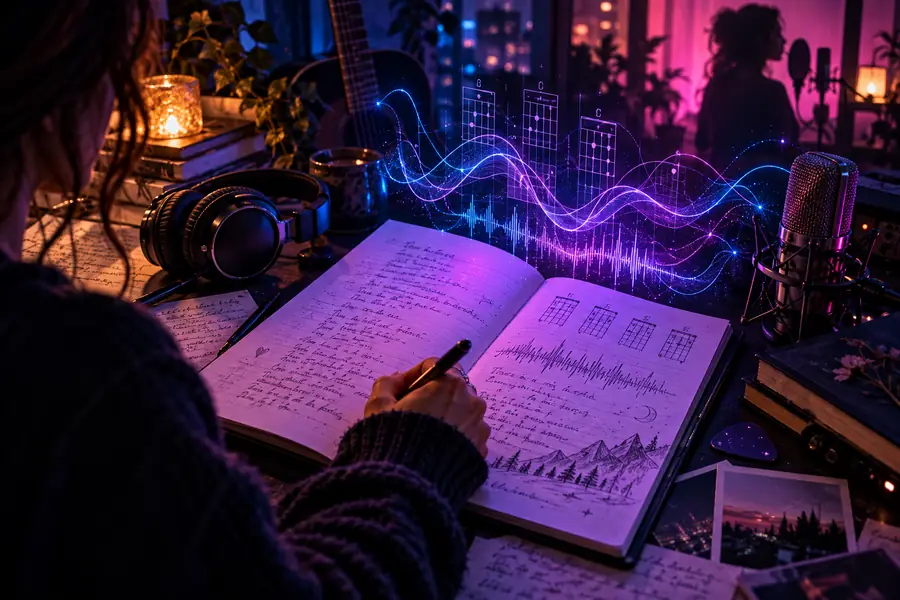 The written concept
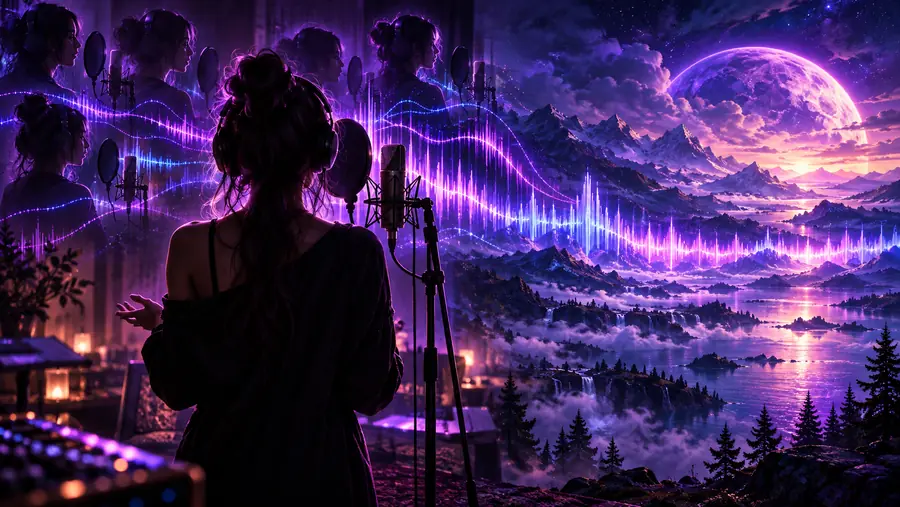 The performance concept
Different projects call for different checks. Use the linked guides to examine vocals, video pairing, or feedback without assuming every tool offers the same controls.
Test whether a chorus reads differently with a soft voice or a more assertive one.
Keep the lyric and arrangement under review while comparing vocal direction for ai songs.
free ai music generator with vocalsPlan a short performance concept around the pace of a scene.
Check whether vocal entrances and musical changes leave room for edits in ai songs.
ai music video generator freeCompare several versions without relying on a single first impression.
Evaluate clarity, phrasing, and consistency before choosing among ai songs.
ai song rater freeDescribe an original voice, the musical arc, and the intended use. Then review the available creation options and listen critically to any result; ai songs still need human judgment before they become part of a finished project.
Explore song creationThe singer refers to the perceived vocal character and delivery; the song includes composition, lyrics, arrangement, and structure. A track can have generated music without generated singing, or a synthetic vocal added to separately made music.
A synthetic voice may sound natural, but realism varies with the material and the system used. Avoid requesting an identifiable person's voice without permission, and listen for inconsistent tone, awkward pronunciation, or unnatural phrasing.
Not necessarily. You can begin with a topic and delivery style, but specific lyrics give you more to assess for meaning, pronunciation, and fit. Review any words you intend to use publicly.
Possibly, depending on the creation service's terms and any rights associated with the inputs and output. Check the applicable license, avoid unlicensed voice imitation or borrowed material, and test how the vocal sits alongside dialogue and edits.
Listen to the words, emotional emphasis, pitch stability, and timing against the arrangement. Compare those observations with your original brief rather than judging the instrumental or vocal in isolation.